





Step-by-Step Guide to Starting Your Private Label Solar Inverter Brand in 2026
- What is a Private Label Solar Inverter?
- Key Takeaways: Your Quick Summary
- Why Start a Private Label Solar Inverter Brand in 2026?
- Data Comparison Table: OEM vs. ODM vs. White-Label
- Step 1: Market Research and Defining Your Niche
- Step 2: Vetting and Selecting the Right Manufacturer
- Step 3: Customizing Hardware, UI Interfaces, and Packaging
- Step 4: Quality Control, Testing, and Traceability
- Expert Tips: Common Mistakes When Launching a Solar Brand
- Industry-Leading Solution: Scaling With a Proven Manufacturing Partner
- Conclusion & Call to Action
- Frequently Asked Questions
- How much does it cost to start a private label solar inverter brand?
- What is the difference between OEM and ODM for solar inverters?
- Do I need UL or CE certification for my private label inverters?
- How long does it take to launch a white-label solar inverter?
- Can I customize the software and UI of a white-label inverter?
- What warranty terms should I offer for my custom solar inverters?
- How do I verify the quality of a solar inverter manufacturer?
- Can I private label hybrid and off-grid solar inverters?
What is a Private Label Solar Inverter?
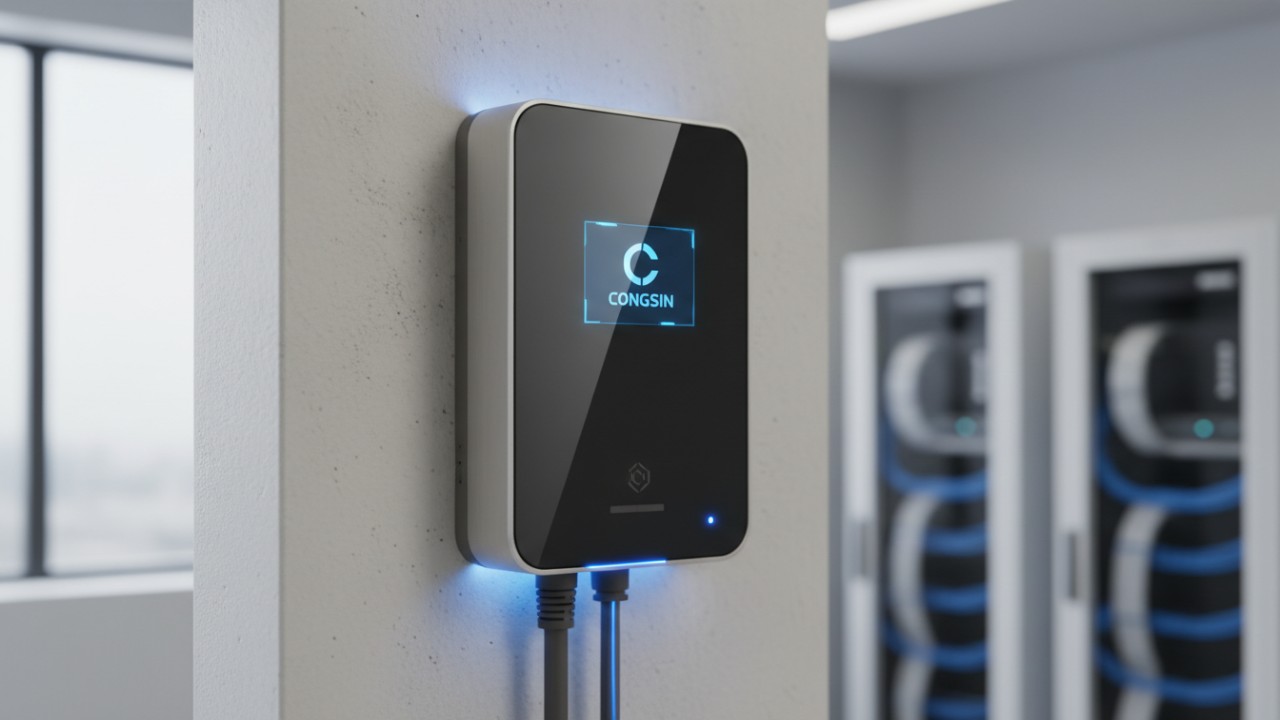
A private label solar inverter is a fully manufactured, market-ready energy conversion device produced by a third-party factory but sold exclusively under your own brand name and logo. This model allows businesses to bypass massive R&D costs and rapidly launch high-quality, customized solar hardware into the renewable energy market.
Instead of investing millions in factory infrastructure, businesses can partner with OEM solar inverter manufacturing facilities. This allows you to customize the exterior shell, software UI, and packaging, bringing a premium solar energy product to market quickly and cost-effectively. Whether you are an existing solar installer looking to increase margins or an entrepreneur entering the renewable space, private labeling offers a direct path to brand ownership without the complexities of raw material sourcing and assembly line management.
Key Takeaways: Your Quick Summary
Launching a custom solar inverter brand requires understanding your market, choosing the right manufacturing model, and ensuring rigorous quality control. By leveraging established third-party factories, you can significantly reduce capital risk while maintaining the flexibility to customize products for local grid demands.
- Fast Market Entry: Launch your own inverter line in months rather than years by utilizing existing, pre-tested engineering platforms.
- Lower Capital Risk: Avoid the overhead of building and maintaining a manufacturing facility, hiring assembly workers, or managing raw material supply chains.
- Customization: Tailor the shell molds, UI interfaces, and technical specs (grid-tied, off-grid, hybrid) to your local market needs.
- Scalability: Rely on the production capacity of established factories to grow your business seamlessly as your order volumes increase.
Why Start a Private Label Solar Inverter Brand in 2026?

Starting a solar brand in 2026 is highly lucrative because global demand for renewable energy and off-grid solutions is surging, creating massive opportunities for localized, niche brands. Private labeling offers "price freedom," meaning you can command higher profit margins compared to simply reselling standard household name brands.
Emerging 2026 trends, such as AI-driven smart inverters and advanced battery integration, are highly accessible through top-tier manufacturing partners. By utilizing solar hardware private labeling, you can rapidly adapt to these technological shifts without bearing the burden of in-house research and development. Furthermore, consumers are increasingly looking for localized customer support and region-specific features, giving agile private label brands a distinct advantage over massive, slow-moving global conglomerates.
Data Comparison Table: OEM vs. ODM vs. White-Label
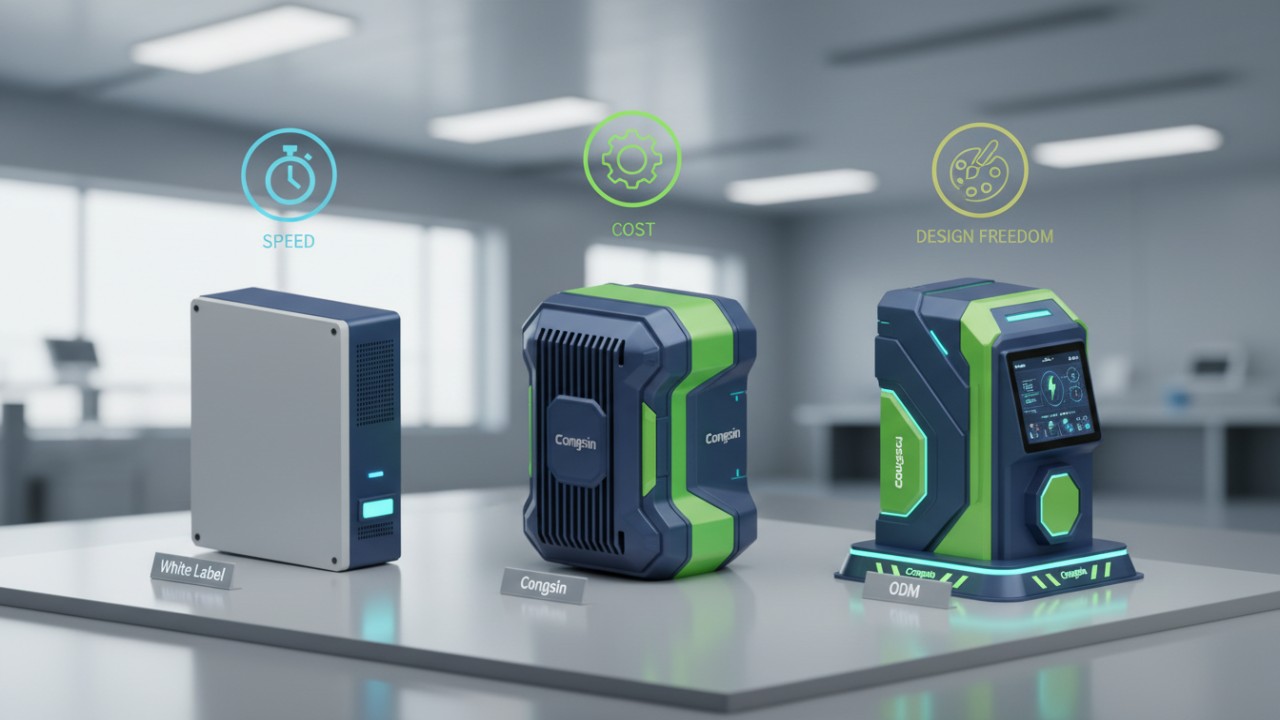
When deciding how to build your product line, you must understand the differences in manufacturing models. The table below breaks down inverter ODM vs OEM and white label solar solutions to help you instantly visualize which path aligns with your budget, required customization, and launch timeline.
Step 1: Market Research and Defining Your Niche
The first step to launching your brand is analyzing your local market to determine the highest demand for specific inverter types, such as grid-tied, hybrid, or off-grid systems. Identifying your target audience—whether residential DIYers, commercial installers, or regional agencies—will dictate your hardware requirements.
You must identify specific technical requirements tailored to your buyers. For example, you may need built-in MPPT (Maximum Power Point Tracking) charge controllers, which utilize a technique to maximize energy extraction from solar panels as environmental conditions vary Wikipedia. Knowing these details ensures your product solves real-world energy challenges.
Consider the voltage requirements of your target region. Will your customers need 120V/240V split-phase systems for North America, or 230V single-phase systems for Europe and Asia? Additionally, consider battery compatibility. With the rise of lithium iron phosphate (LiFePO4) batteries, ensuring your inverter has advanced Battery Management System (BMS) communication protocols is a critical selling point in 2026. You must also consider the growing trend of smart home integration. Consumers increasingly expect their solar inverters to communicate seamlessly with smart home energy management systems (HEMS) and time-of-use (TOU) tariff optimization algorithms.
Step 2: Vetting and Selecting the Right Manufacturer
Selecting the right factory is critical; you must evaluate their production capacity, automated lines, and technological R&D strength to ensure they can scale alongside your brand's growth. A dedicated engineering team and a proven track record of international compliance are non-negotiable for long-term success.
Crucially, ensure the manufacturer has experience securing regional safety and performance certifications. For example, UL certification is mandated for safety in the North American market Underwriters Laboratories, while the CE mark is a mandatory conformity marking for regulating goods sold within the European Economic Area European Union. Without these, your products cannot be legally installed or connected to the grid.
For example, Guangzhou Congsin Electronic Technology Co., Ltd. brings over 27 years of focused experience to the table. Since 1998, they have operated fully automated production lines with strict ISO9001 certification. With a catalog of over 100 models—spanning DC to AC power inverters, portable power stations, and solar charge controllers—and international approvals like CE, EMC, LVD, ETL, FCC, and RoHS, they represent the gold standard in manufacturing reliability. Partnering with a veteran manufacturer ensures your brand is built on a foundation of proven engineering.
Step 3: Customizing Hardware, UI Interfaces, and Packaging
Customizing your hardware involves working closely with the manufacturer to design unique shell molds that give your inverter a distinct, premium aesthetic. Beyond the physical exterior, tailoring the software UI and packaging creates a cohesive, professional customer experience that builds brand loyalty.
To truly stand out in the competitive solar market, you must go beyond simply slapping a sticker on a metal box. Consider the following customization strategies:
- Visual Identity and UI: Modify the LCD screen interface and translate menus into the local language of your target market. Rebrand the accompanying mobile monitoring apps with your specific brand colors, logo, and contact information.
- Physical Design: Invest in custom molds or custom paint finishes if your budget allows. A sleek, modern design can significantly elevate the perceived value of your product. Furthermore, consider the physical durability of the casing. If your target market is in coastal regions, you may need to request upgraded IP65-rated enclosures with anti-corrosion salt-spray coatings.
- Unboxing Experience: Develop highly durable, branded packaging that protects the heavy inverter during transit. Include comprehensive, well-translated user manuals and quick-start installation guides to reduce customer support tickets.
Step 4: Quality Control, Testing, and Traceability
Establishing strict quality control protocols—including component inspection, burn-in testing, and final product evaluation—is vital to minimizing failure rates and protecting your brand reputation. Implementing production traceability systems ensures you can easily manage future warranty claims or recalls.
A premium brand is only as good as its reliability. When vetting your manufacturing partner's quality control processes, ensure they include:
- Rigorous Testing: Ensure your partner uses advanced instrumentation and multifunctional testing equipment. This should include 100% full-load aging tests (burn-in testing) where the inverters are run at maximum capacity for several hours to identify any weak components before shipping. In addition to burn-in testing, ask your manufacturer about their drop-testing and vibration-testing protocols.
- High-Quality Components: Verify the origin of critical internal components, such as the DSP (Digital Signal Processor) and IGBT (Insulated-Gate Bipolar Transistor) modules.
- Traceability: Use barcode or QR code serial number tracking for every unit off the assembly line. This allows you to track the exact production batch if a warranty issue arises.
- Third-Party Audits: Consider hiring an independent inspection agency to verify batches on the factory floor before they are loaded into shipping containers.
Expert Tips: Common Mistakes When Launching a Solar Brand
Many newcomers fail by ignoring local grid codes, which can render their products legally unsellable in specific regions. Additionally, racing to the bottom on price by choosing the absolute cheapest manufacturer often results in high failure rates, destroying your brand's reputation before it even takes off.
To ensure long-term profitability, avoid these critical pitfalls:
- Ignoring Local Grid Codes: Failing to ensure the inverter software complies with specific regional grid regulations (like IEEE 1547 in the US or VDE in Germany) is a fatal error. Grid operators will not allow non-compliant inverters to be connected.
- Underestimating After-Sales Support: Without a solid plan for technical support, firmware updates, and RMA (Return Merchandise Authorization) processing, customer trust will plummet. You must build a warranty reserve fund into your pricing model.
- Prioritizing Price Over Value: Always prioritize reliability, component quality, and proven factory experience over the lowest possible cost. A cheap inverter that fails after six months will cost you exponentially more in replacement shipping and reputational damage.
Industry-Leading Solution: Scaling With a Proven Manufacturing Partner
Navigating the complexities of solar hardware manufacturing requires a trusted partner with a proven track record of engineering excellence and global market success. By aligning with an established factory, you eliminate supply chain bottlenecks and can focus entirely on marketing and sales.
By leveraging an industry-leading solution like Guangzhou Congsin Electronic Technology Co., Ltd., brands gain instant access to state-of-the-art R&D, rigorous quality control, and streamlined certification support. Their extensive catalog—ranging from pure sine wave inverters to portable power stations—makes them an ideal partner for ambitious solar brands. They possess several independently developed patents, demonstrating a deep commitment to innovation. Explore their comprehensive OEM & ODM Services to see how they can bring your vision to life and support your bespoke customization specifications.
Conclusion & Call to Action
Launching a private label solar inverter brand is a highly profitable strategy to enter the renewable energy market without the massive capital overhead of building your own factory. By following this step-by-step framework—from defining your niche to rigorous quality control—you can build a scalable and trusted product line.
Contact Guangzhou Congsin Electronic Technology Co., Ltd. today to discuss your specific needs.
Frequently Asked Questions
How much does it cost to start a private label solar inverter brand?
Costs vary significantly based on the manufacturing model and order volume. White-labeling existing models may require an initial investment of $10,000 to $30,000 for Minimum Order Quantities (MOQs). Fully custom ODM projects with unique shell molds and software can exceed $100,000. Keep in mind that if you require new certifications for a specific region under your own brand name, testing laboratory fees can add an additional $15,000 to $30,000 to your startup costs.
What is the difference between OEM and ODM for solar inverters?
OEM (Original Equipment Manufacturer) involves taking an existing inverter design and customizing elements like the logo, casing, and UI. ODM (Original Design Manufacturer) involves the factory engineering an entirely new inverter based on your specific technical requirements from scratch. OEM is ideal for companies wanting to enter the market quickly with proven technology, while ODM is suited for enterprise-level brands that want to patent exclusive features.
Do I need UL or CE certification for my private label inverters?
Yes, certifications are mandatory for legally selling and connecting inverters to the grid. UL certification is required for the North American market, while CE is required for Europe. Reputable manufacturers will assist in transferring or acquiring these certifications for your brand. Beyond UL and CE, you may also need specific grid-compliance certificates like IEEE 1547 in the United States or AS/NZS 4777 in Australia.
How long does it take to launch a white-label solar inverter?
A standard white-label or light OEM project typically takes 2 to 4 months from initial agreement to final production. A full ODM project requiring new engineering and fresh certifications can take 6 to 12 months. This timeline includes sample production, shipping, testing, and final mass production. Delays in packaging design or certification transfers can extend this timeline, so proactive project management is essential.
Can I customize the software and UI of a white-label inverter?
Yes, most top-tier manufacturers offer software customization. This includes modifying the LCD screen interface, translating menus, and rebranding the accompanying mobile monitoring application. In 2026, offering a seamless, user-friendly mobile app is just as important as the hardware itself. Reputable factories will allow you to white-label popular third-party monitoring platforms or develop API integrations for your proprietary software.
What warranty terms should I offer for my custom solar inverters?
The industry standard for string and hybrid inverters is a 5 to 10-year warranty. You must negotiate a back-to-back warranty agreement with your manufacturing partner to ensure they cover replacement parts for defects.
How do I verify the quality of a solar inverter manufacturer?
Request sample units for independent testing before committing to large orders. Conduct a factory audit—either personally or via a third party—to verify production lines, burn-in testing rooms, and ISO 9001 certifications. Check their track record with existing international clients.
Can I private label hybrid and off-grid solar inverters?
Absolutely. Hybrid and off-grid inverters are currently the fastest-growing segments in the market. Many manufacturers specialize in these systems and offer white-label options equipped with advanced battery management systems (BMS).

Distributor
What kind of support can I expect from Feifan after becoming a distributor?
You will receive ongoing sales support, product training, technical assistance, and marketing resources to ensure your success.
Modified Sine Wave Inverters
Which types of batteries can it be used with?
It is suitable for common DC batteries such as 12V lead-acid batteries and lithium batteries. Please ensure the battery voltage matches the inverter's input voltage before use.
Can 4 USB ports charge 4 mobile phones at the same time?
Yes, the total current of 6.8A can support simultaneous fast charging of multiple devices, and the charging efficiency is guaranteed.
Products
Can I customize the logo?
Yes, OEM/ODM service is available.
Pure Sine Wave Inverters
What capacity battery is needed to meet long-term use?
It needs to be calculated according to the total power of the device, the formula is "Battery Capacity (Ah) = Total Device Power (W) × Usage Time (h) ÷ Input Voltage (12V)". For example, to drive a 1000W device for 5 hours, the required battery capacity = 1000×5÷12≈417Ah, it is recommended to use 2 200Ah batteries in parallel (total capacity 400Ah, actual usage about 4.8 hours).
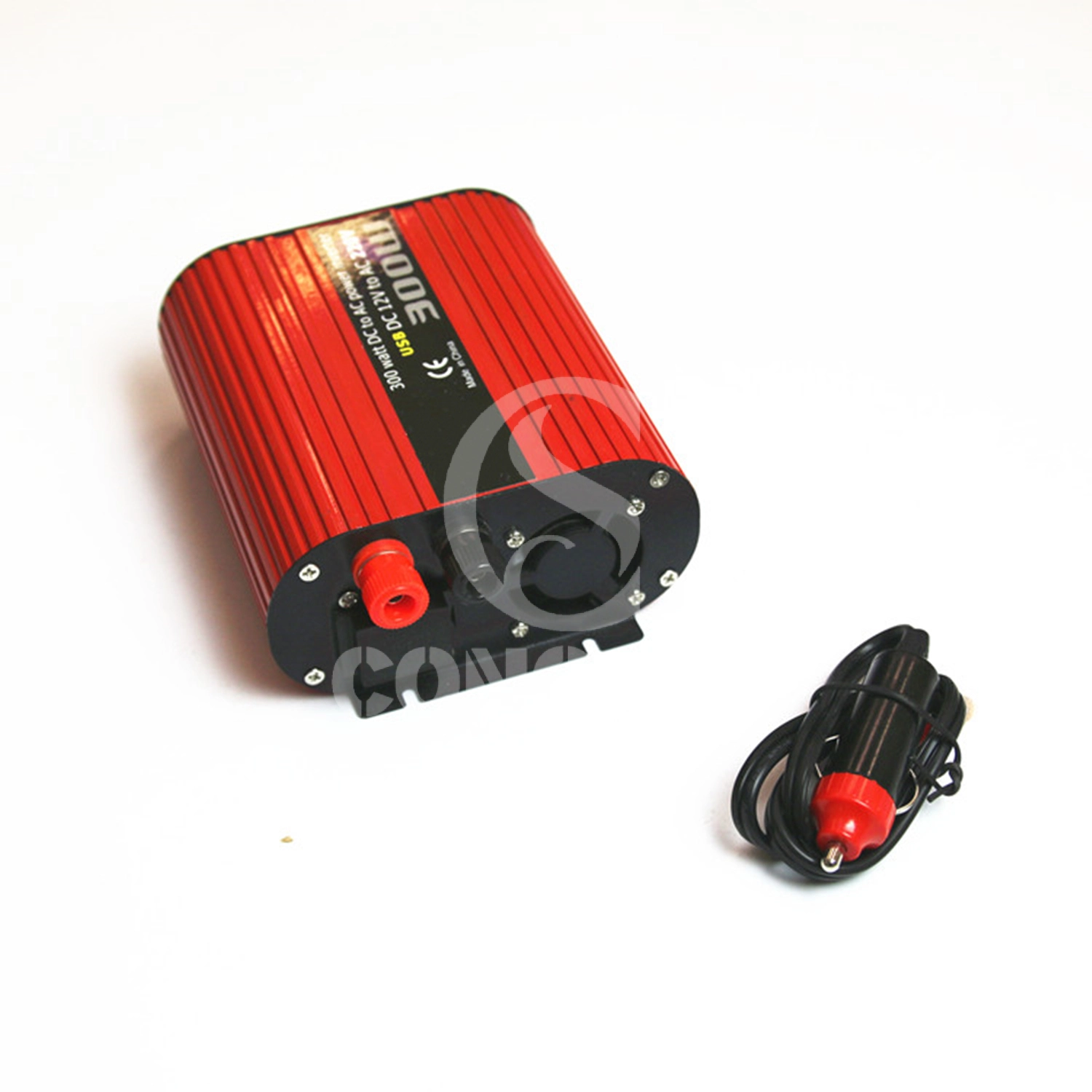
Congsin's Portable 150W Modified Sine Wave Inverter powers your journey! This versatile Car Power Inverter with USB acts as a reliable 12V to 220V converter, ensuring an essential off-grid power supply. With dual USB ports and a universal socket, enjoy convenient power on the go.
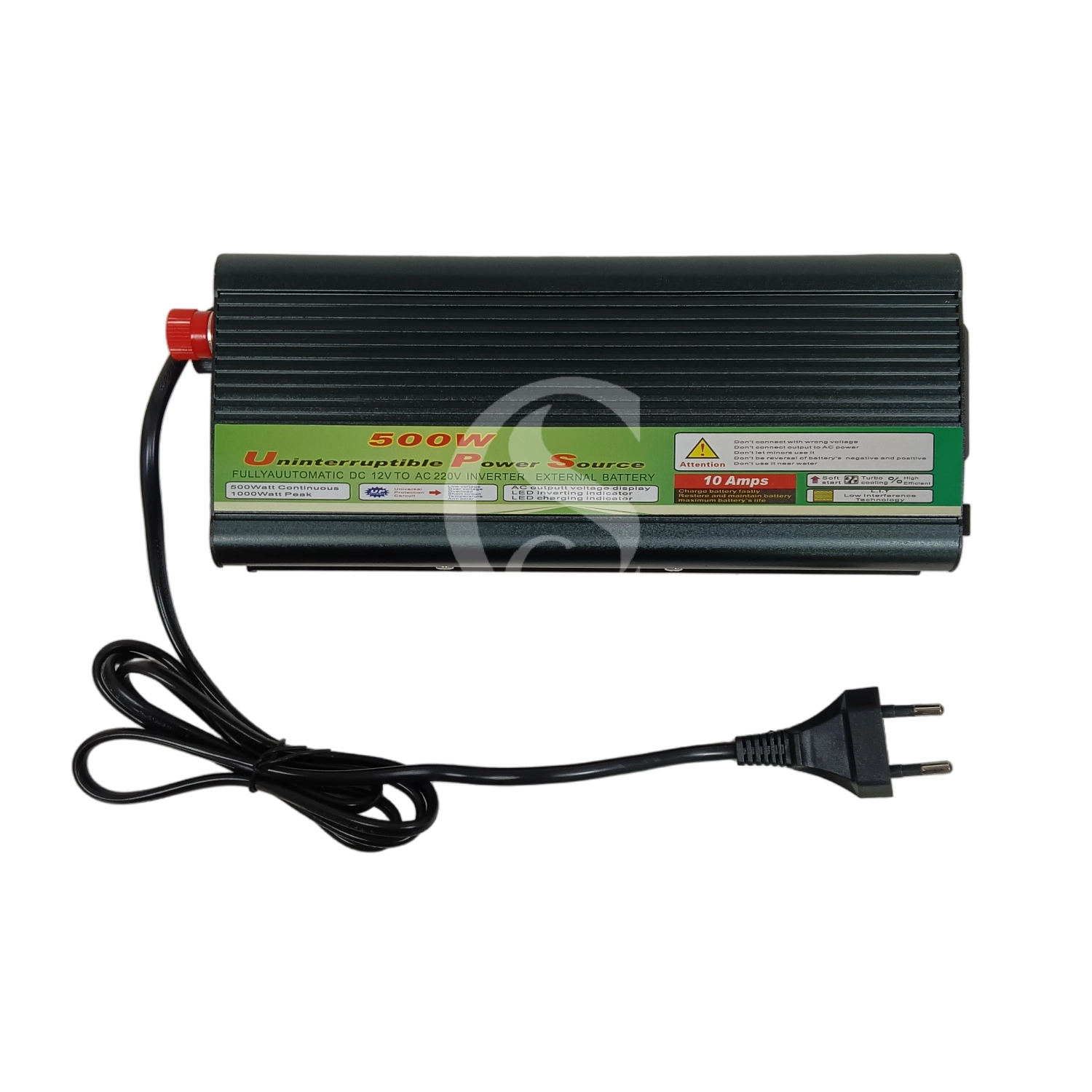
Congsin 500W 12V to 220V inverter delivers reliable off-grid power with its modified sine wave design. This portable 500W DC to AC power inverter efficiently converts 12V DC to 220V AC, ideal for outdoor and emergency use. Trust Congsin for stable, portable energy solutions.
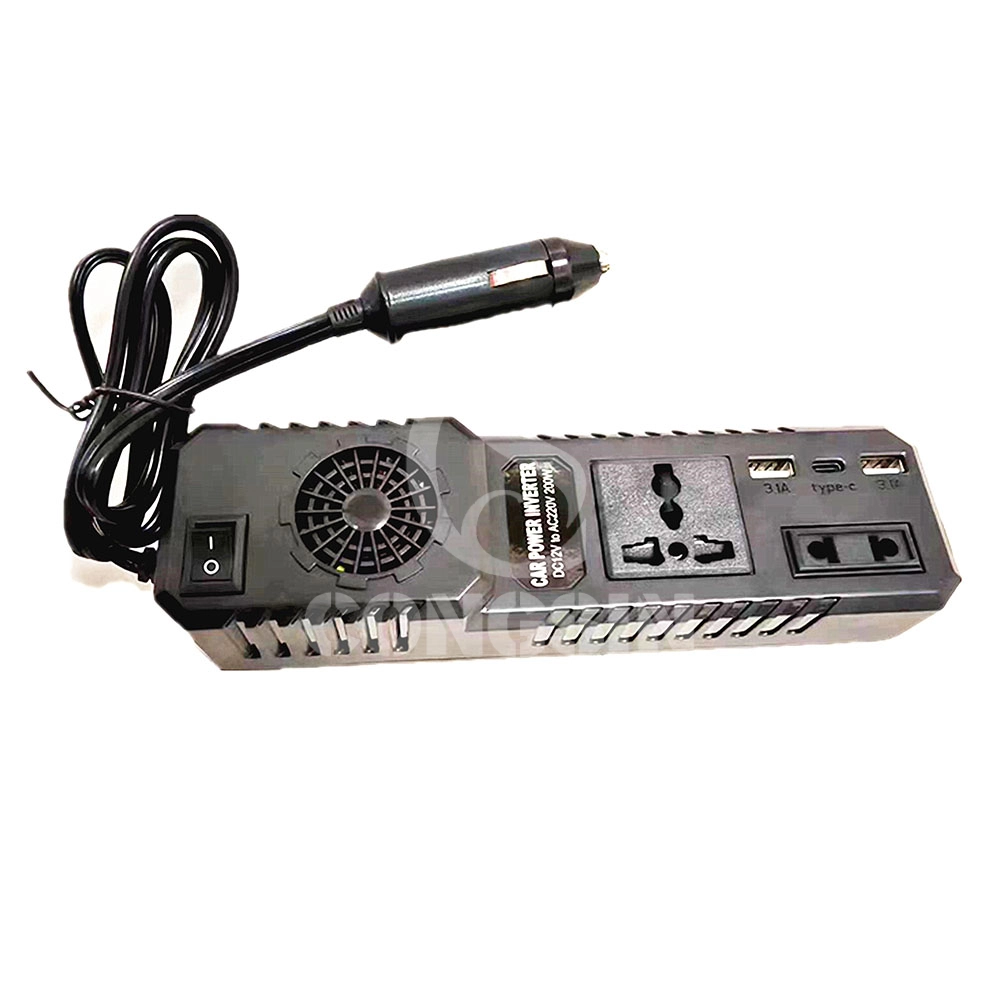
This 200W Modified Sine Wave Car Power Inverter is a compact and practical power conversion device designed for vehicle use. It supports dual input (DC12V/24V) and outputs AC220V, compatible with various electronic devices. Equipped with a Type-C port and dual 3.1A USB outputs, it can charge laptops, phones, cameras, drones, and other small electronics simultaneously—perfect for outdoor travel, emergency backup, and mobile work scenarios.
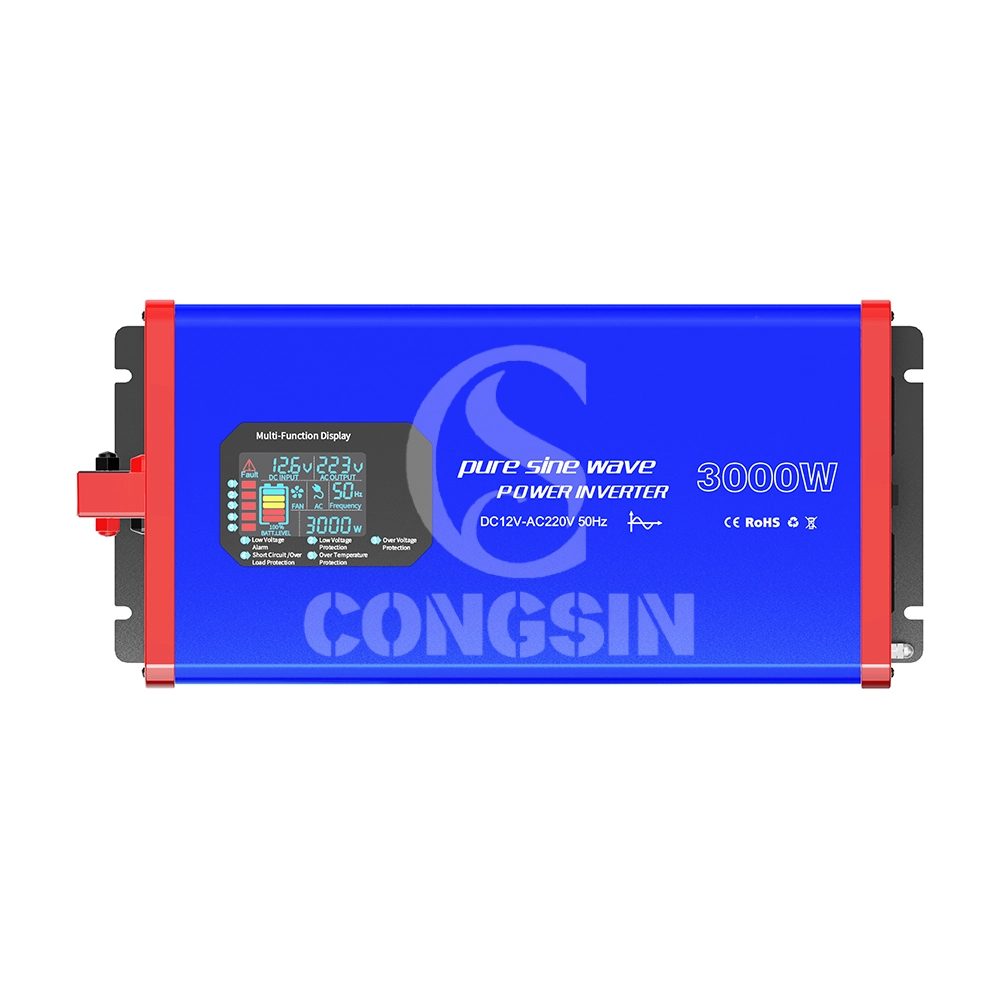
This 3000W full-power pure sine wave inverter (Model: CS3000PSW) adopts pure sine wave output technology (waveform distortion rate <2%), and the output power is highly consistent with mains power quality. It can safely drive high-power precision loads such as air conditioners, refrigerators, medical instruments, and small industrial equipment, avoiding equipment malfunctions or shortened service life caused by unstable waveforms. The device supports DC 12V input (compatible with 10.5V-14.8V wide voltage), continuously outputs 3000W full power, and has a peak power of 6000W, easily coping with the instantaneous startup impact of high-power devices; it is equipped with 4 AC universal sockets (max current 16A) + 2 USB 3.0 fast-charging ports (22.5W per port) to meet the simultaneous power supply needs of multiple devices. Built-in six-fold safety protection (overload, overvoltage, undervoltage, short circuit, overtemperature, reverse connection), combined with dual intelligent silent cooling fans (noise ≤45dB), it achieves the triple advantages of "high power + high safety + low noise," suitable for home emergency, outdoor engineering, vehicle-mounted power supply, small industrial scenarios and other fields.
Get in Touch with Our Team
You can also communicate with us directly through our online contact form. Please fill in the following information, and our team will contact you as soon as possible after receiving your message.

CONGSIN is a trusted OEM factory for power inverters, solar charge controllers, and DC converters. Reliable solutions for global B2B buyers.
 High Quality
 7/24 Service
 Guaranteed Warranty
© 2025 Congsin. All Rights Reserved.
 WeChat
 Scan QR Code
sin cong
teaimei10
Whatsapp: +8618028086791
Scan QR Code